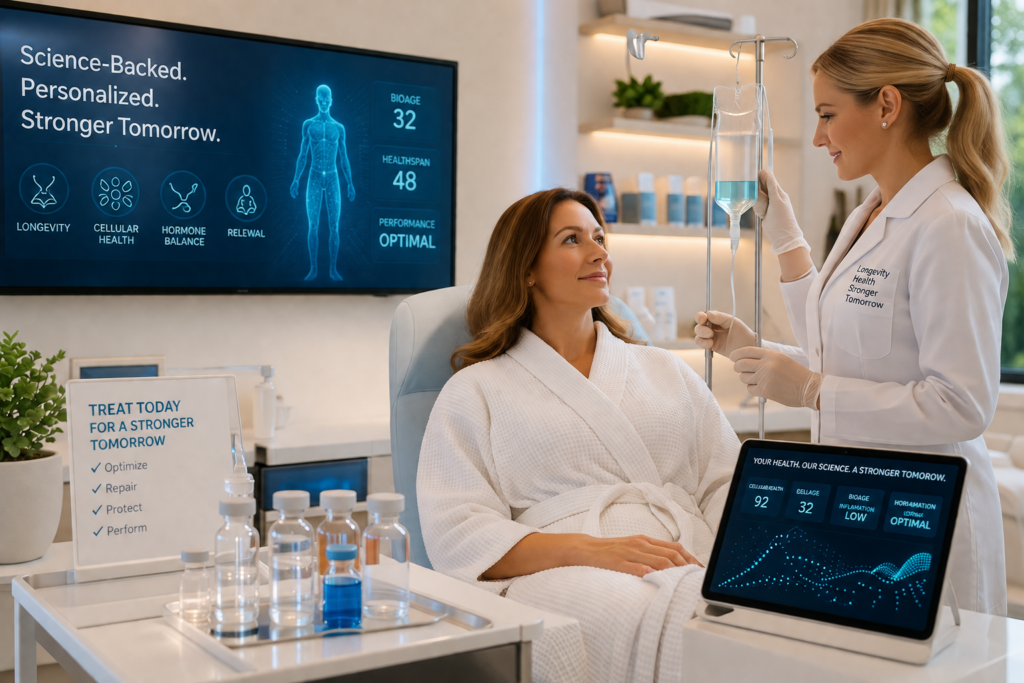
“Longevity” has become one of the most searched terms in health and wellness, and for good reason. Advances in medicine, hormone science, and cellular biology have moved the conversation far beyond wrinkle creams and multivitamins. Today’s longevity clinic isn’t about looking younger for a photo — it’s about extending the number of healthy, high-functioning years a person actually gets to live. That distinction matters, and it’s reshaping what men expect from an anti aging clinic in 2026.
Thank you for reading this post, don't forget to subscribe!
If you’ve never stepped inside one, the experience probably looks different than you’d imagine. There’s no mysterious fountain-of-youth serum. Instead, there’s data, bloodwork, and a structured plan built around the systems in your body that actually determine how well — and how long — you age.
Longevity vs. Anti-Aging: What’s the Difference?
These terms get used interchangeably, but they’re not quite the same thing.
Anti-aging traditionally focused on the visible signs of aging — skin, hair, energy, appearance.
Longevity medicine takes a broader, more clinical view. It focuses on “healthspan” — the number of years you remain physically capable, mentally sharp, and free of chronic disease — rather than just lifespan or appearance.
A modern longevity clinic blends both. The goal is to look and feel younger, yes, but the deeper objective is delaying or preventing the chronic conditions — cardiovascular disease, metabolic dysfunction, cognitive decline, hormonal imbalance — that quietly erode quality of life long before they become diagnosable.
It Starts With Data, Not Guesswork
The single biggest difference between a longevity clinic and a standard annual physical is depth. A typical physical checks the basics: blood pressure, cholesterol, maybe a glucose reading. A longevity-focused evaluation goes several layers deeper, often including:
- Comprehensive hormone panels (testosterone, thyroid, cortisol, and more)
- Advanced metabolic markers beyond standard cholesterol, including insulin resistance indicators
- Inflammatory markers linked to chronic disease risk
- Micronutrient and vitamin levels
- Body composition analysis, not just weight on a scale
- Cardiovascular risk markers that go beyond a basic lipid panel
This data becomes the foundation for everything that follows. Rather than treating symptoms individually, a longevity provider looks at how these systems interact — because in the body, they always do. Poor sleep affects hormone production. Hormone imbalance affects metabolic health. Metabolic dysfunction affects inflammation. It’s all connected, and effective health optimization requires treating it that way.
Common Longevity Treatments You’ll Actually Encounter
While every plan is personalized, most longevity clinics build around a core set of evidence-based treatments:
Hormone Optimization
For many men, declining hormone levels are one of the earliest and most impactful drivers of the aging process. Correcting imbalances in testosterone and other key hormones often produces some of the most noticeable improvements in energy, mood, and physical performance.
NAD+ Support
NAD+ (nicotinamide adenine dinucleotide) is a coenzyme essential to how your cells produce energy and repair damage. Levels decline naturally with age, and supporting them has become a cornerstone of many longevity protocols aimed at improving cellular resilience.
Metabolic Health Programs
Since metabolic dysfunction underlies so much of chronic disease, many clinics build structured programs specifically to improve metabolic health — combining lab monitoring, nutrition guidance, and, when appropriate, medication support.
Peptide Therapies
Certain peptides are used to support recovery, sleep quality, and tissue repair, working alongside the body’s own signaling systems rather than replacing them.
Preventive Screening and Monitoring
Longevity medicine treats testing as ongoing rather than a one-time event. Regular re-testing every few months allows a provider to see whether a treatment plan is actually working and adjust before small issues become bigger problems.
Who Actually Needs a Longevity Clinic?
There’s a misconception that longevity medicine is only for the ultra-wealthy or the already-healthy biohacker crowd chasing marginal gains. In reality, the men who benefit most are often the ones who feel “fine” but not great — the 40-something who’s still functional but notices he recovers slower, sleeps worse, and carries more stubborn fat than he used to.
You’re a strong candidate for a longevity-focused evaluation if you:
- Feel like your energy and performance have quietly declined over the past several years
- Have a family history of heart disease, diabetes, or cognitive decline
- Want to be proactive rather than waiting for a diagnosis to force your hand
- Have tried generic diet and exercise advice without meaningful results
- Are simply tired of guessing and want real data about what’s happening inside your body
What Makes a Longevity Clinic Legitimate
Because “longevity” has become a marketing buzzword, it’s worth knowing what separates a credible clinic from a trendy one:
Lab-driven decisions. Any real treatment recommendation should be backed by actual bloodwork, not a symptom checklist alone.
Licensed medical oversight. Treatments involving hormones or prescription therapies should always involve licensed physicians, not just wellness coaches.
Ongoing monitoring. A single test and a single treatment plan isn’t longevity medicine — it’s a snapshot. Real programs re-test and adjust over time.
Transparent, individualized protocols. Be cautious of any clinic pushing the exact same “stack” of treatments to every patient regardless of their labs.
What a First Visit Typically Looks Like
Most longevity clinics — including those operating through modern telehealth models — follow a similar sequence:
- Initial intake and health history, often completed online before you ever speak to a provider
- Comprehensive lab work, done locally at a nearby facility
- A one-on-one consultation to review results in plain language, not medical jargon
- A personalized treatment plan, addressing the specific systems your labs flagged as underperforming
- Scheduled follow-ups, typically every 60-90 days, to track progress and adjust dosing or protocols
This structure matters because aging isn’t static, and neither is an effective longevity plan. What your body needs at the start of treatment often shifts once initial imbalances are corrected.
Conclusion
The appeal of longevity medicine isn’t about chasing an unrealistic idea of eternal youth. It’s about closing the gap between how many years you’re alive and how many of those years you actually feel good, think clearly, and stay capable of doing the things you care about.
A well-run longevity clinic gives you the data most men never get — a clear, evidence-based picture of what’s actually driving how you feel, paired with a plan to do something about it. That combination of insight and action is what separates real health optimization from another wellness trend that fades in a year.